
Disney Vacation Club - Is a timeshare exit possible?

Ah, Disney. Few names are as instantly recognizable. Theme parks, movies, cruise ships, character meet‑and‑greets, and yes, timeshares too.
Disney Vacation Club (DVC) is Disney’s vacation ownership program, introduced in 1991 and operated by Disney Vacation Development, LLC under Disney Signature Experiences. Instead of selling traditional fixed-week timeshares, DVC sells a points-based membership tied to a deeded real estate interest. Members purchase a set number of points and pay annual dues, then use those points to book stays at Disney Vacation Club resorts and, in some cases, other Disney-affiliated experiences.
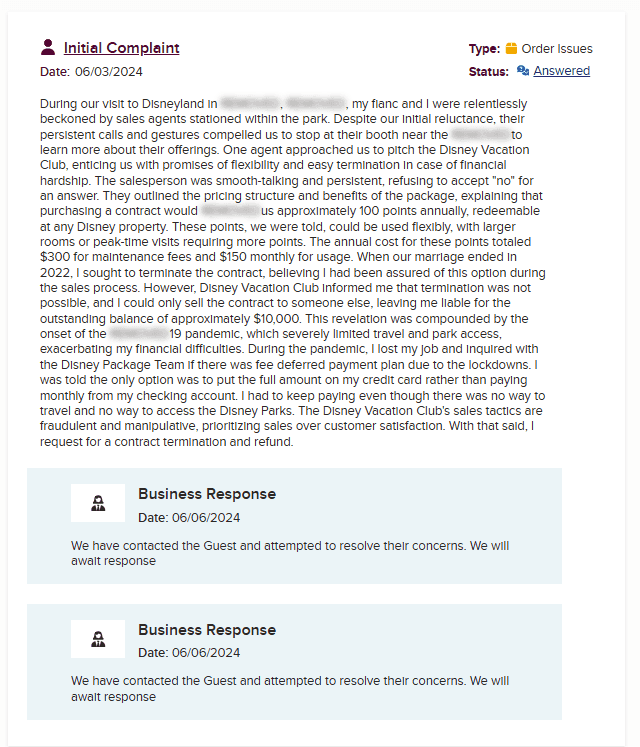
On paper, it sounds flexible and exclusive. In practice, many owners eventually realize that the long-term realities don’t always match the expectations set during the sales pitch.
How Disney Vacation Club Works
DVC contracts are long-term, typically lasting several decades, but they do expire. This is not permanent, freehold property ownership like buying a home. Each year, members receive a fixed allotment of points based on their contract. Those points must be managed carefully within a defined use year, and any missteps can mean losing value.
Members are often drawn in by the promise of priority access to Disney resorts compared to paying nightly cash rates. However, that priority is not absolute, and availability is one of the most common sources of frustration among owners.
Common Complaints and Ongoing Concerns
1. Booking Difficulties and Availability
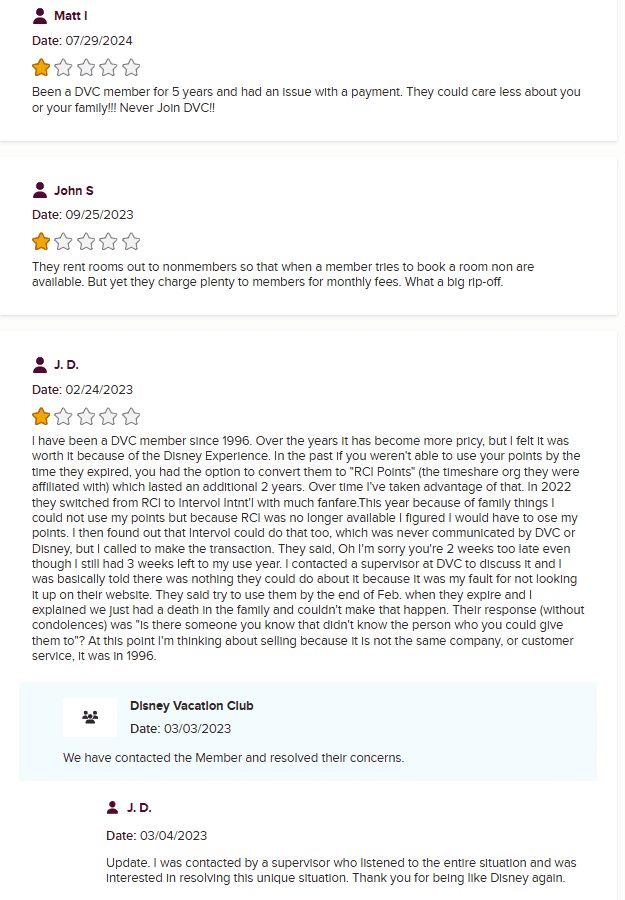
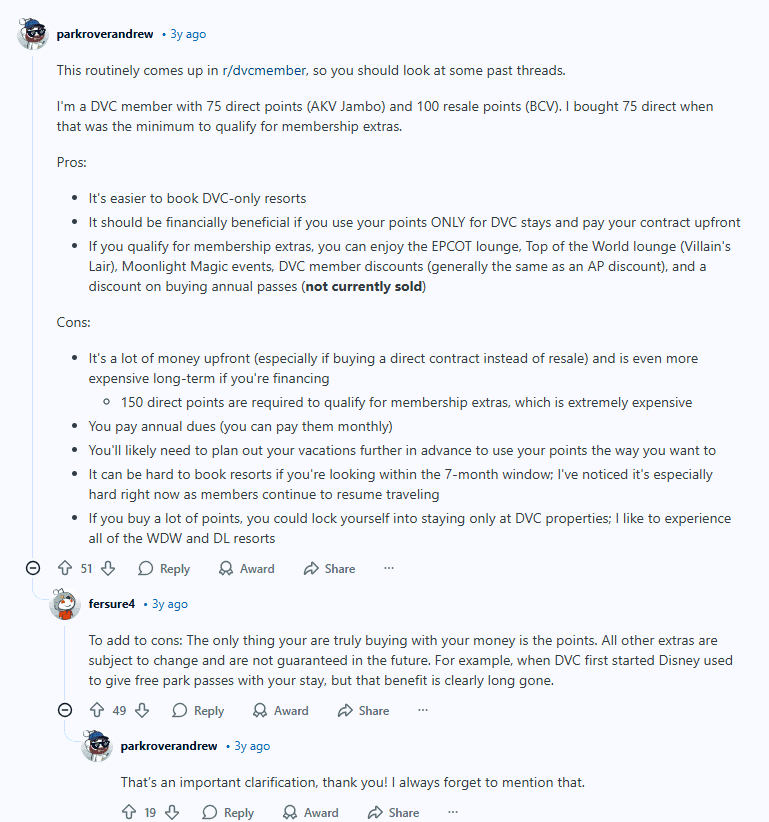
One of the most frequent complaints from DVC members is how difficult it has become to book popular resorts or desirable dates — even at their so‑called “home resort.”
Disney properties are busy year‑round, and owners often report:
- Long waitlists or no availability despite planning far in advance
- Seeing rooms available for cash bookings while member inventory is scarce
- Limited options for short‑notice travel
For a program marketed as premium access, many owners feel sidelined when they actually try to use what they purchased.
2. Point Expiration and System Frustrations
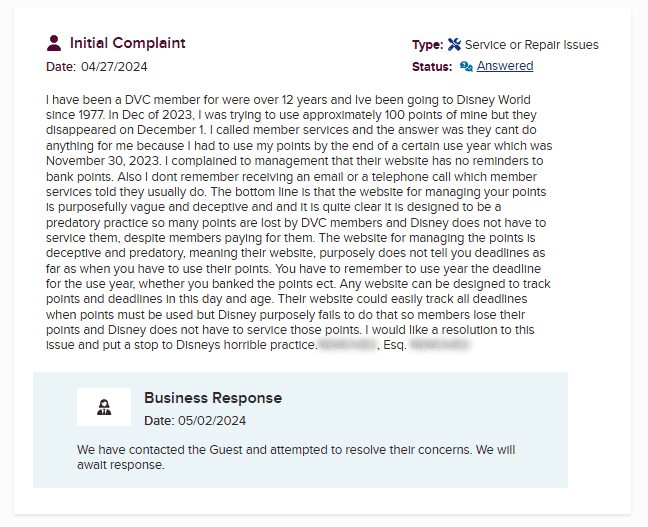
DVC points are governed by strict use‑year rules, and managing them is not always as intuitive as it sounds during the sales presentation. Owners frequently report confusion around deadlines, unclear reminders, and online tools that make it easy to miscalculate or miss key dates. When points expire unused, the loss can feel significant, especially given the upfront cost of the membership and the ongoing annual dues.
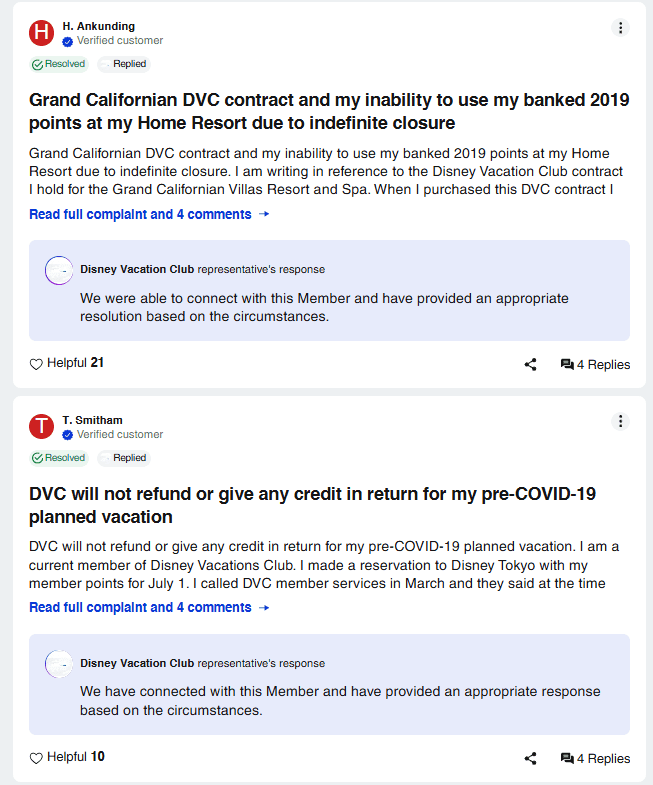
3. Sales Experience and Contract Lock‑In
Despite Disney’s family‑friendly reputation, some owners report sales experiences that felt rushed or high‑pressure, with long‑term obligations and limitations minimized at the time of purchase. Once the contract is signed, flexibility is limited. Life events such as divorce, illness, or financial strain do not change the terms of the agreement, and many owners are surprised by how difficult it is to exit without outside assistance.
4. Rising Maintenance Fees
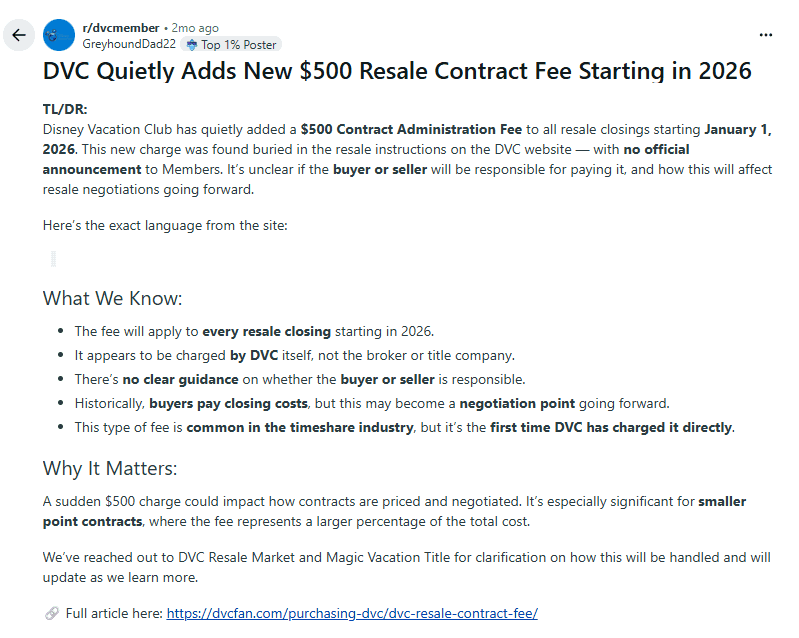
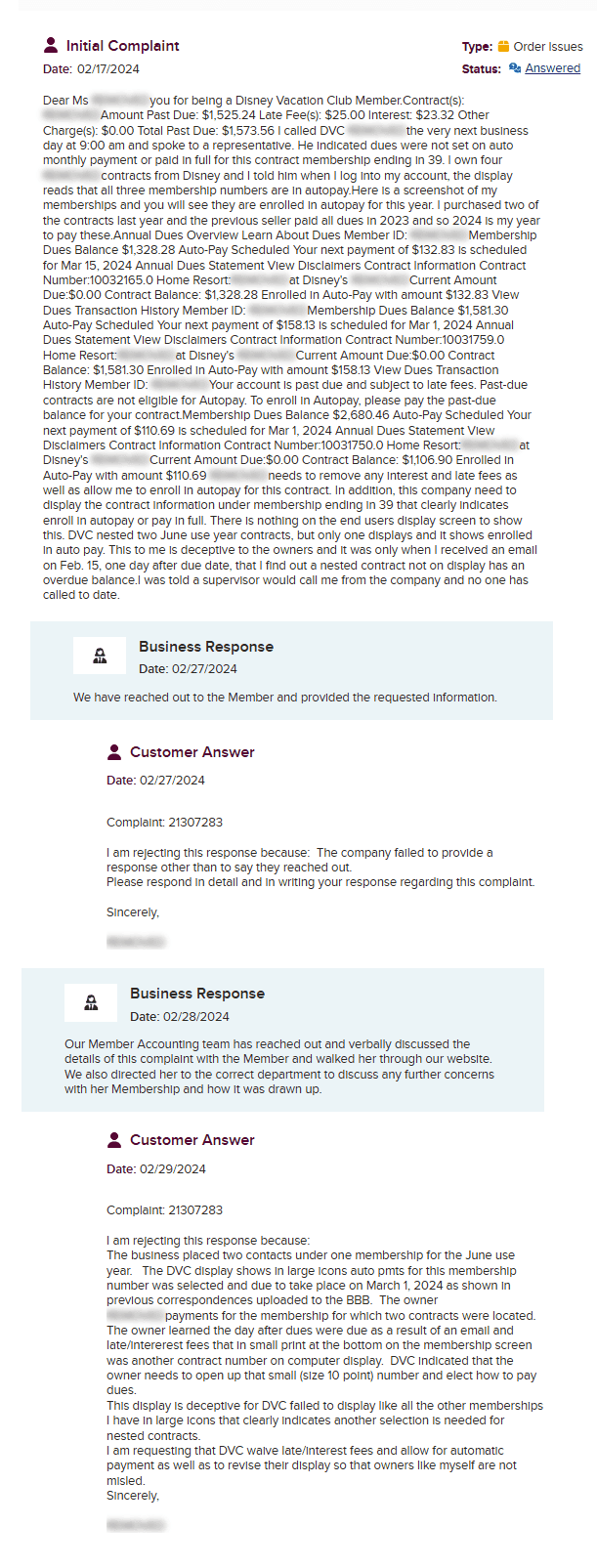
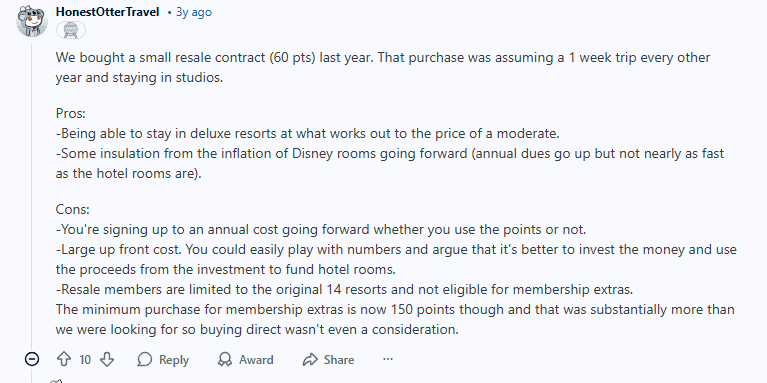
Annual dues are a permanent part of DVC ownership, and they tend to increase over time. While some increase is expected, many owners say the long‑term cost trajectory was not clearly communicated upfront. Additional administrative or transfer‑related fees, particularly in resale situations, can further add to the financial burden and make ownership feel progressively heavier rather than more rewarding.
5. Resale Restrictions and Reduced Benefits
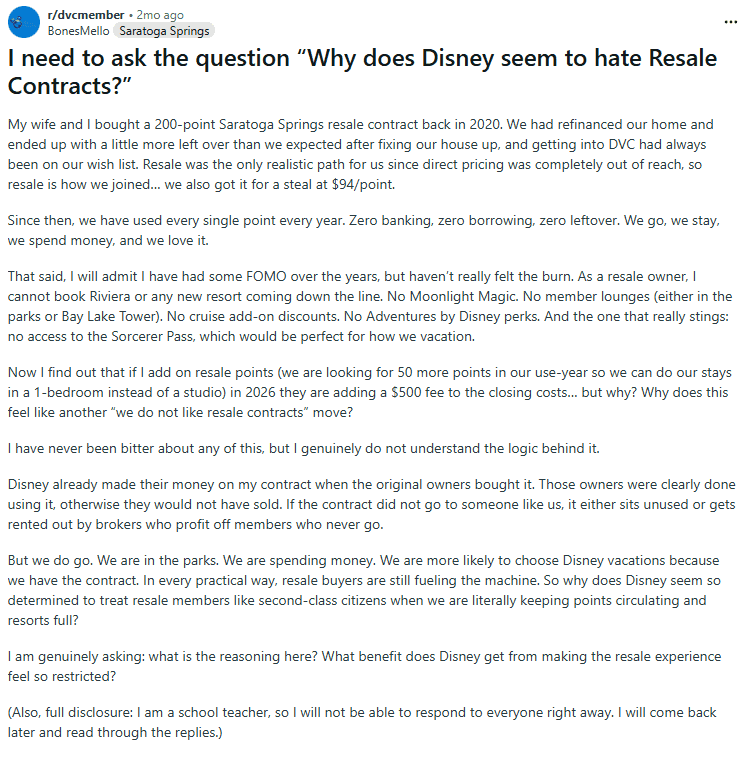
Selling a DVC contract is not as straightforward as many owners assume. Resale buyers often lose access to certain perks, such as park‑related benefits or newer resort offerings, which can significantly reduce demand and resale value. Although these restrictions are legal, they frequently come as a surprise and can limit an owner’s ability to exit without accepting a financial loss.
6. Changes to Point Rentals
For years, renting out unused points provided a way for owners to offset annual dues and manage costs. Recent policy changes, however, have reduced that flexibility. Increased scrutiny and tighter rules around rentals have made this option less reliable, removing what was once a practical safety net for many members.
What Owners Are Really Saying
Across forums, social media groups, and review sites, a pattern emerges. Even owners who enjoy DVC often admit:
- The program is expensive and complex
- It requires long‑term commitment that doesn’t adapt well to changing life circumstances
- The Disney brand doesn’t eliminate the structural problems common to timeshares
Some members still find value in DVC, but many others reach a point where the costs, restrictions, and stress outweigh the enjoyment.
Why Some Owners Start Looking for a Timeshare Exit
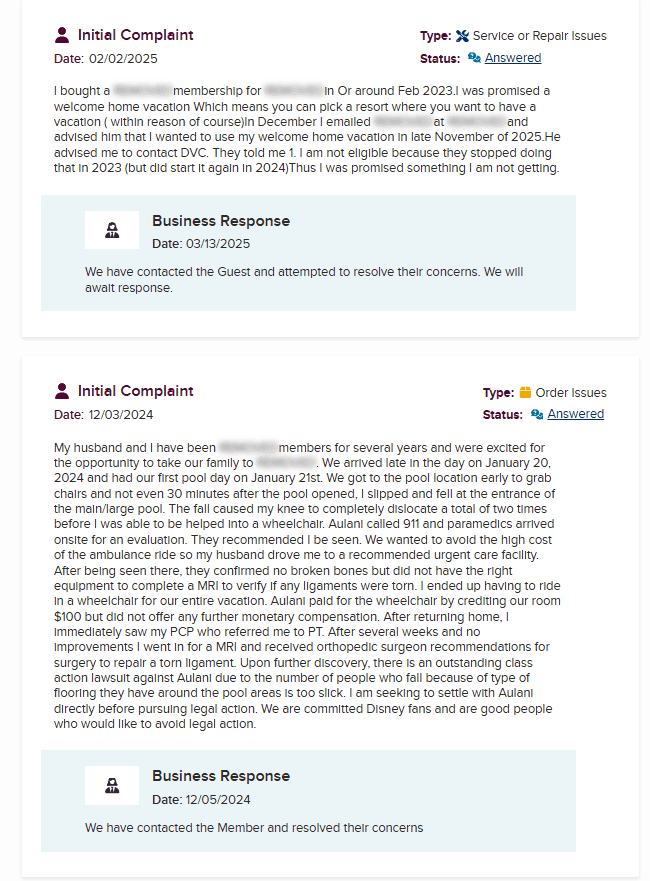
For many Disney Vacation Club owners, the decision to look for a way out doesn’t happen overnight. It usually builds over time. Booking gets harder. Annual dues keep climbing. Life changes, kids grow up, travel habits shift, health or finances don’t look the same as they did at the signing table. What once felt manageable slowly starts to feel like an obligation you’re working around instead of enjoying.
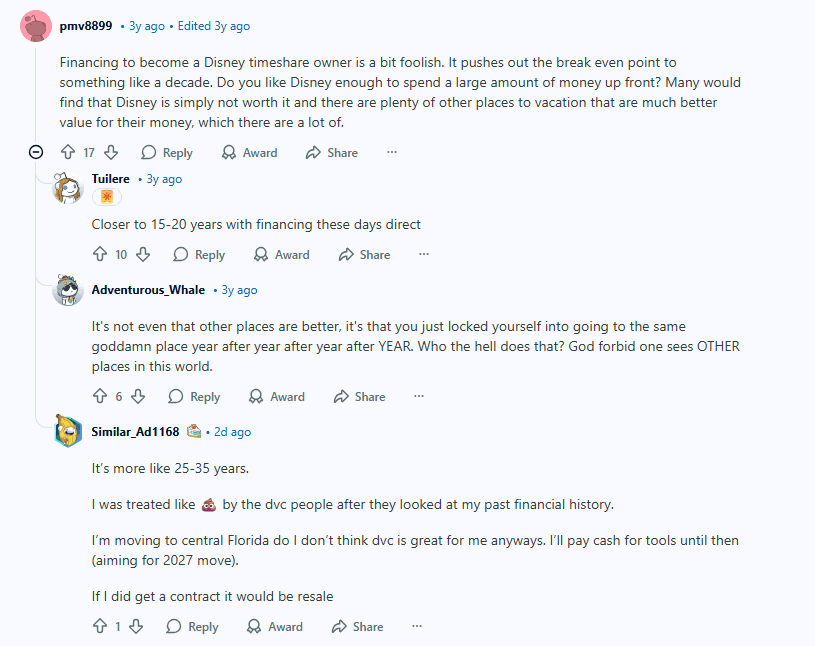
DVC contracts are long‑term by design, and Disney does not make exiting easy. There is no simple “return your membership” option, and resale restrictions often mean owners face limited buyers or significant losses. For some, renting out points no longer offsets costs due to tighter policies. For others, the stress of managing points and fees outweighs the benefit of staying on property.
At that stage, many owners realize they’re not asking whether Disney Vacation Club is a good product in general, they’re asking whether it still makes sense for them.
How a Timeshare Exit Company Can Help
A reputable timeshare exit company focuses on helping owners understand their specific contract and the realistic options available to them. With DVC, this often involves reviewing the deeded interest, identifying sales misrepresentations, and assessing whether cancellation, surrender, or negotiated termination is possible.
For owners who are past any rescission window, professional assistance may be one of the few practical paths forward. Exit specialists deal with the complexities that individual owners are rarely equipped to navigate alone, especially when contracts are written to heavily favor the developer.
That said, not all exit companies are the same. Owners should be cautious and informed before choosing who to work with.
What to Look for Before Choosing an Exit Company
Before committing to any service, Disney Vacation Club owners should:
- Gather all contracts, purchase agreements, payment records, and promotional materials
- Ask whether the company will review the actual DVC contract before making claims
- Avoid firms that promise guaranteed or instant results
- Be wary of demands for large upfront payments without a clear written plan
- Make sure timelines, risks, and responsibilities are explained in plain language
Any company suggesting you immediately stop paying without explaining potential consequences should raise red flags.
Final Thoughts
Disney Vacation Club benefits from one of the strongest brand names in the world, but branding doesn’t change the fundamentals of timeshare ownership. Long contracts, rising fees, restricted exits, and limited flexibility are realities many owners only fully understand after years in the program.
If you’re holding onto a DVC membership that no longer fits your life, you’re not alone, and you’re not unreasonable for questioning it. Exploring a legitimate timeshare exit isn’t about attacking Disney or admitting a mistake. It’s about reassessing a commitment that may no longer make sense and taking informed steps toward moving on.
For many owners, that clarity, and the right professional guidance, is the first real step out.